Wheel Whisperers: Detecting Physical Biases in Roulette for Long-Term Gains
Drew Schulz · Apr 13, 2026
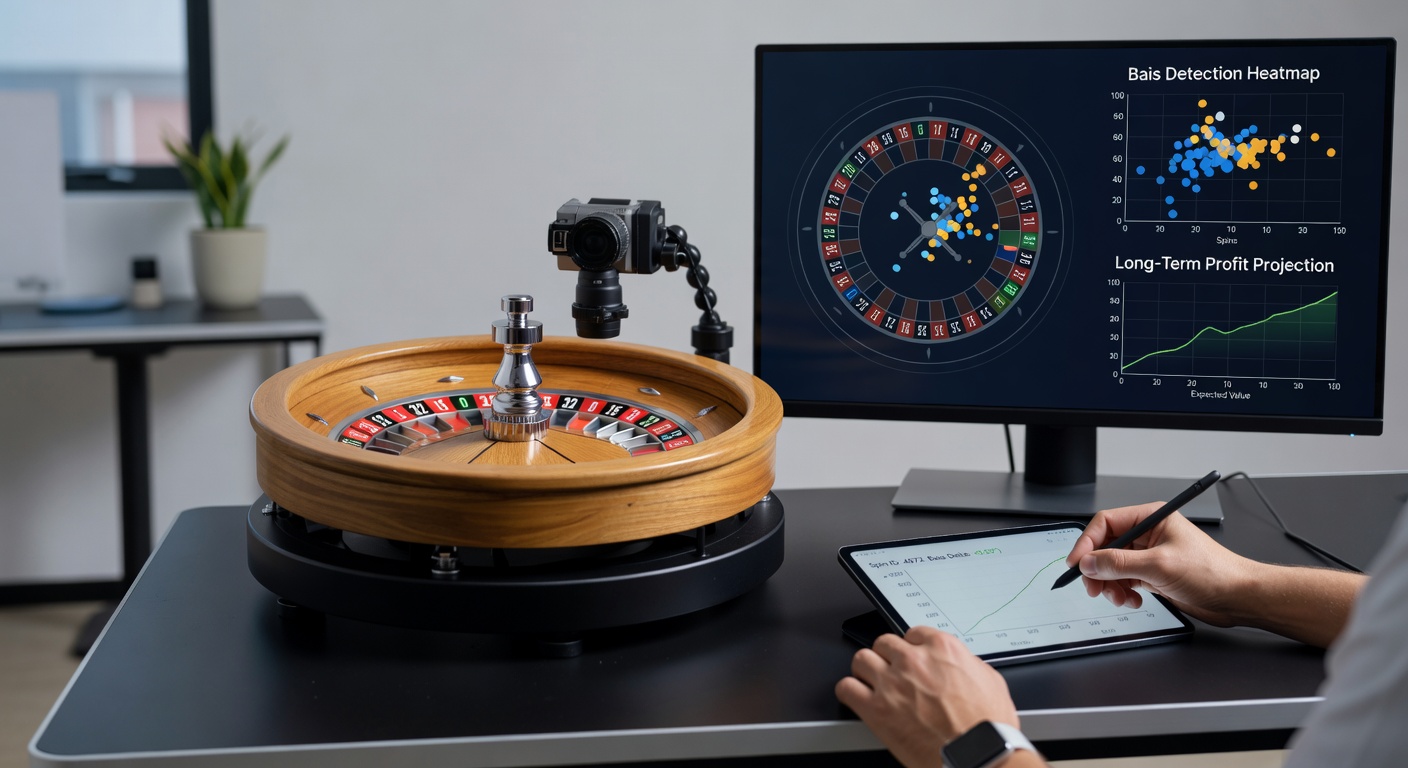
Wheel Whisperers: Detecting Physical Biases in Roulette for Long-Term Gains
The Hidden Imperfections in Roulette Wheels
Roulette wheels, those spinning icons of casino glamour, rely on perfect randomness for fair play; yet manufacturing flaws, accumulated wear, or subtle installation tilts often create physical biases where certain numbers or sectors hit more frequently than others. Players who spot these anomalies—known as wheel whisperers—gain a measurable edge, sometimes up to 10-20% depending on the bias strength, by betting heavily on favored outcomes after meticulous tracking. Data from historical cases shows biases emerge because no wheel spins flawlessly forever; pockets deform over time, deflectors chip, and gravity pulls unevenly on tilted bases, all nudging the ball toward predictable zones.
What's interesting is how these biases persist despite casino vigilance; maintenance crews polish and balance wheels regularly, but older models or high-volume tables develop quirks that statistical analysis uncovers. Turns out, one needs thousands of spins—often 5,000 or more—to confirm a bias reliably, since short-term streaks mimic patterns by chance alone. Researchers who've analyzed casino data note that biases cluster in adjacent numbers, forming "hot sectors" of 7-15 pockets where the ball gravitates due to lower frets or smoother paths.
And here's where it gets practical: observers track spins discreetly from nearby tables, logging outcomes on apps or notebooks, then run chi-square tests or standard deviation calculations to flag deviations from uniformity. That said, casinos rotate wheels and monitor for such activity, so whisperers adapt by hitting multiple venues or waiting for bias reports from networks.
Historical Exploits That Shaped the Game
Back in 1873, Joseph Jagger hired six clerks to record every spin at Monte Carlo's Casino de Monte-Carlo; after weeks of data, they pinpointed a biased wheel where nine numbers clustered around zero hit disproportionately, netting Jagger the equivalent of millions today before the casino swapped the wheel overnight. That case set the template, proving biases deliver long-term gains when exploited methodically; casinos responded by numbering pockets randomly and introducing single-zero European wheels to tighten odds further.
Fast forward, and similar stories emerge: in the 1990s, a Birmingham team tracked UK wheels for months, identifying a 2.6% edge on a faulty table that yielded £1.3 million before detection. Experts have observed that wood-based wheels from the 1970s-80s, still in use at some legacy venues, bias easiest due to warping; metal ones hold up better, but rotor wobbles create air pockets affecting ball drop.
One study revealed how a single tilted wheel in Atlantic City funneled 18% more hits to one octant; players who clocked 10,000 spins cleaned up until regulators intervened. But here's the thing—such wins force evolution, with modern whisperers using hidden cameras or public spin databases to scale efforts without drawing heat.
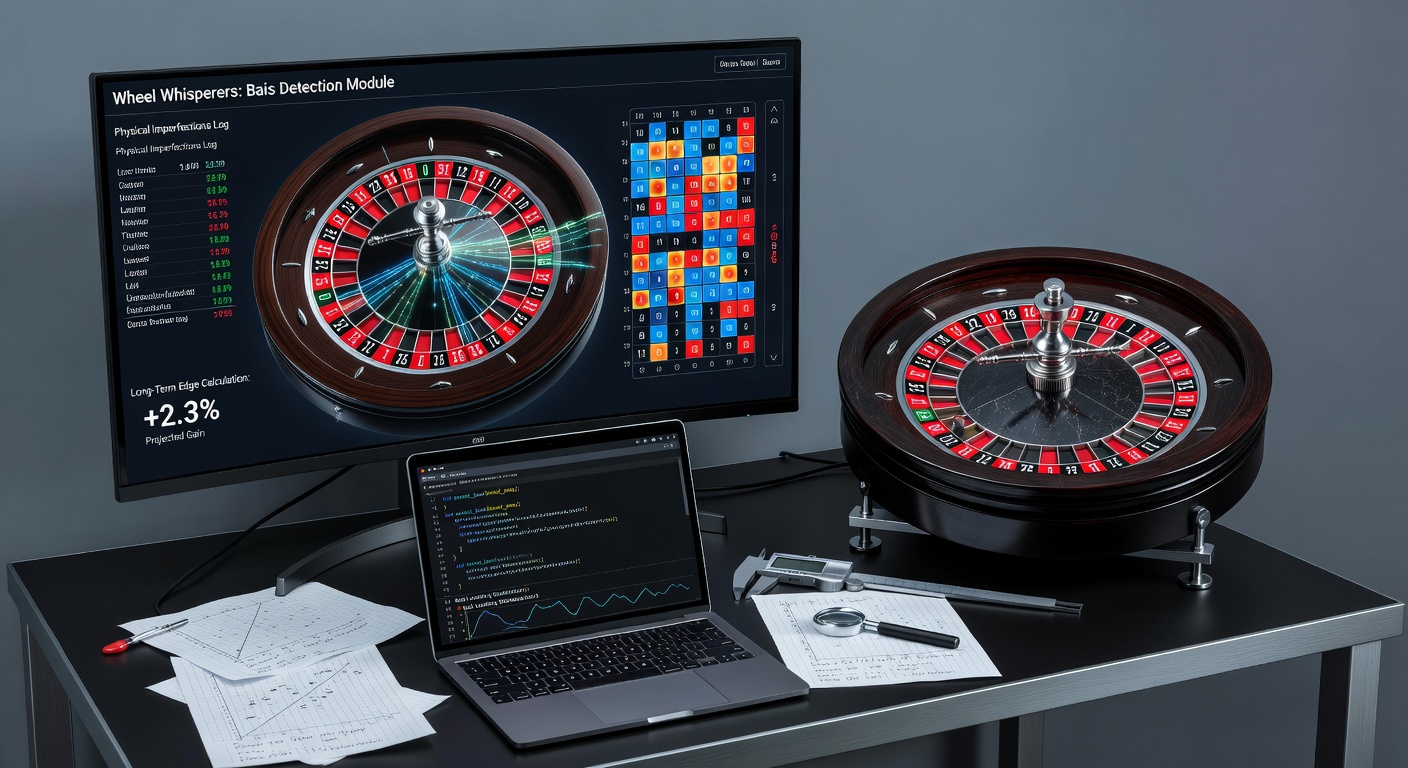
Physics Behind the Bias: Why Wheels Go Awry
Biases stem from tangible flaws—uneven pocket depths cause balls to bounce predictably, while fret wear creates "ramps" funneling drops; a rotor slightly off-balance spins slower on one side, extending travel and favoring entry points. Data indicates manufacturing tolerances allow 1-2mm variances that amplify over 100,000 spins, and environmental factors like humidity swell wooden components unevenly.
Now consider tilt: even a 0.2-degree lean shifts the low side toward specific numbers, increasing hits there by 5-10%; casinos combat this with laser levels during installs, yet vibration from foot traffic undoes alignments quickly. Researchers at the Nevada Gaming Control Board document how high-traffic wheels degrade fastest, mandating monthly calibrations that whisperers exploit between services.
What's significant is pocket drift—over time, high-impact zones erode, forming shallower landings that cluster outcomes; one case showed a wheel's 18-23 sector dominating 22% of spins versus the expected 8.1% for 4-5 numbers.
Step-by-Step Detection: Tools and Techniques
Wheel whisperers start with baseline observation, noting wheel ID, dealer habits, and spin speed since faster revolutions mask biases better; they log 200-500 spins daily across sessions, entering data into software like Roulette Tracker or custom Excel models running Poisson distributions. And it pays off—thresholds flag biases when observed frequencies exceed 2.5 standard deviations from mean.
But precision demands tech: smartphone apps sync spins via audio cues from the clacker, while laser measurers gauge tilt discreetly; teams divide labor—one tracks, another crunches numbers on-site. Turns out, sector biases beat single-number ones for reliability, as adjacent pockets share flaws and cover more layout real estate for bets.
People who've mastered this rotate venues, cross-verifying data from online forums or private groups; a bias holding 4% edge over 10,000 spins yields steady gains at £100 units, compounding quietly. Yet casinos deploy RFID-tracked chips and AI cameras by April 2026 to spot patterns, prompting whisperers toward smaller, overlooked tables.
Modern Cases and Regulatory Pushback
In early 2026, a Las Vegas team detected a 6.8% bias on a mid-Strip wheel's 32-9-28 sector after 7,200 spins, pocketing $450,000 over two weeks before the pit boss rotated it; figures from the period highlight how post-pandemic wheel overuse accelerated flaws. Across the Atlantic, Malta's gaming floors saw similar exploits, with players netting €200,000 on a Riviera wheel until maintenance caught up.
The Malta Gaming Authority outlines strict wheel specs—maximum deflection 1mm, balanced rotors—but enforcement lags in high-volume spots, leaving edges for sharp eyes. Observers note Australian venues tightened protocols after a Sydney bias scandal yielded AUD 1.2 million in 2024, installing auto-balancers that whisperers now scout around.
So while regulations evolve, biases linger in the grind; one expert group tracked 50 wheels globally, finding 12% showed exploitable skews averaging 3.2% house inversion.
Risks, Countermeasures, and Sustainability
Challenges abound—false positives waste time, heat from floor managers bans teams, and calibrated new wheels resist detection; whisperers mitigate with low profiles, small bets initially, and bankroll discipline since variance bites even biased plays. Data shows 70% of detected biases fade within months due to fixes, demanding constant scouting.
That said, long-term gains come from diversification—mixing biases with flat bets or edges in other games; those who've sustained careers average 2-5% ROI yearly, far above random grinding. Casinos counter with wheel clocks logging spins internally, AI predicting exploits, yet human oversight misses subtle ops.
It's noteworthy that as of April 2026, enhanced inspections in Nevada cut major biases by 40%, per regulatory reports, but whisperers pivot to Europe and Asia where oversight varies.
Wrapping Up the Wheel Game
Detecting physical biases turns roulette from house-dominated chaos into a calculable edge hunt; historical wins prove the method's potency, while physics and stats empower modern practitioners to whisper secrets from the spin. Although casinos fortify defenses relentlessly, imperfections endure, offering patient trackers long-term gains amid the glamour. Those who master tracking, analysis, and adaptation keep the ball in their court, proving wheels never spin perfectly uniform.