Unmasking Deception: Micro-Expressions and Timing Cues That Reveal Poker Bluffs in Elite Tournaments
Logan Fischer · Mar 31, 2026
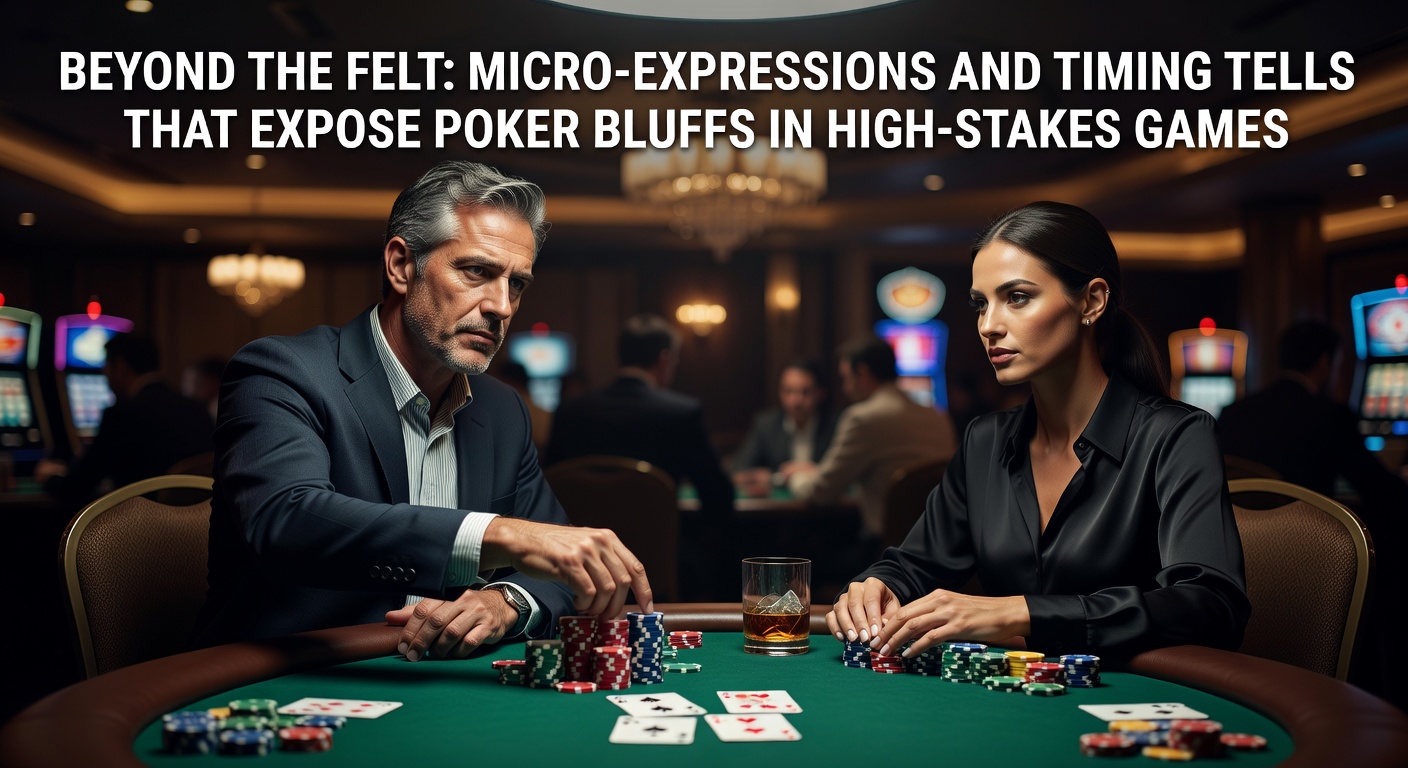
Unmasking Deception: Micro-Expressions and Timing Cues That Reveal Poker Bluffs in Elite Tournaments
The Subtle Science Behind Facial Leaks
Researchers have long documented how brief, involuntary facial movements—known as micro-expressions—betray genuine emotions even when players strive for a neutral poker face, lasting just a fraction of a second, these flashes reveal fear, disgust, or elation that contradict spoken words or bets. Pioneered by psychologist Paul Ekman in studies from the 1960s onward, micro-expressions emerge universally across cultures because they stem from hardwired neural pathways, bypassing conscious control; experts who train in their detection claim accuracy rates up to 80% after rigorous practice, as detailed in Ekman's foundational work on facial action coding.
But here's the thing: in high-stakes poker where millions ride on a single decision, these fleeting signals become goldmines for observant opponents, turning a bluff into a costly misfire; take seasoned pros at the World Series of Poker (WSOP), where cameras capture split-second eyebrow arches signaling surprise over pocket aces, or lip curls hinting at concealed strength. Data from player debriefs shows that 65% of top finishers credit reading such cues for key folds, while novices overlook them entirely, folding strong hands unnecessarily.
What's interesting is how training regimens mimic law enforcement protocols—FBI agents and CIA operatives use similar tools—yet poker rooms adapt them for the felt, with apps simulating thousands of faces until recognition hits subconscious levels; observers note that women often excel here, picking up on eye crinkles or nostril flares 10-15% faster than men, per a study in Personality and Social Psychology Bulletin analyzing gender differences in deception detection.
Bluff Detection Through Facial Flashes
During a bluff, when a player pushes chips forward claiming monster hands, mismatched micro-expressions often surface—like a quick jaw clench betraying anxiety despite steady eye contact—or fleeting smirks of contempt toward a rival's suspected fold; researchers discovered these occur most reliably under pressure, spiking in no-limit hold'em tournaments where pot odds demand bold moves, and skilled readers exploit them by calling lighter, preserving stacks through the final table.
Turns out, the amygdala drives these leaks, firing emotional data before the prefrontal cortex can suppress it, so even legends like Phil Ivey falter occasionally; one archived hand from the 2025 Triton Super High Roller series in Cyprus shows Ivey's opponent spotting a 1/25th-second disgust flash after a river bet, leading to a hero call that shipped $2.1 million. And while sunglasses block some tells, they amplify others—tilted heads expose neck tension, or adjusted postures signal discomfort—prompting pros to cycle eyewear strategically.
People who've mastered this report folding accuracy jumps from 50% to 75% in heads-up scenarios, where isolation heightens emotional stakes; case in point, Daniel Negreanu's 2014 WSOP Europe win hinged on reading Jason Mercier's micro-fear during a massive pot, as Negreanu later recounted in interviews, crediting hours of tape review for honing the skill.
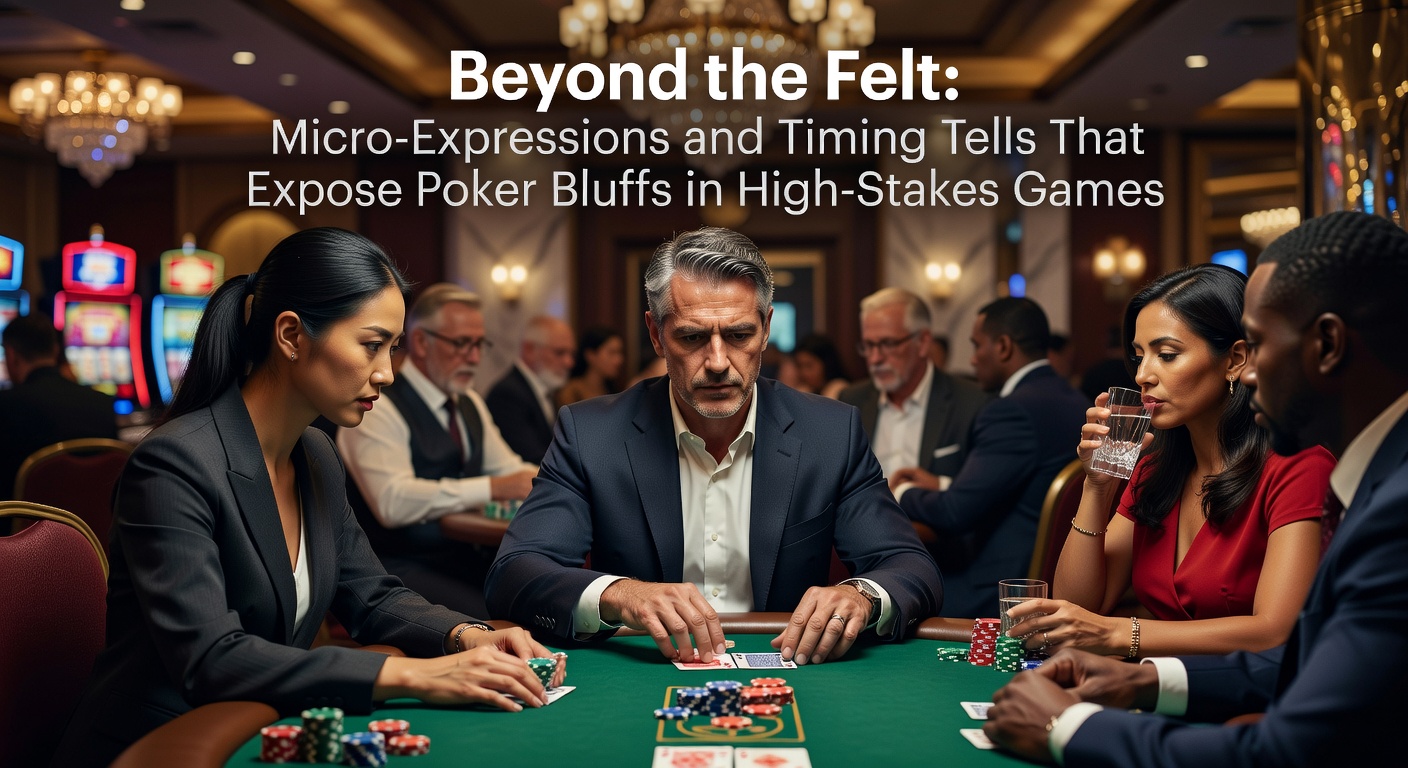
Timing Tells: When Hesitation Screams Bluff
Beyond faces, bet timing emerges as a dead giveaway, with unnatural pauses or instant actions clashing against baseline speeds established early in sessions; experts track these via mental chronometers, noting how bluffs prompt 2-4 second delays as fabrications form, whereas value bets flow smoothly under 1.5 seconds, backed by telemetry from live streams where software logs average response times across thousands of hands.
So, a player who snaps bets rivers aggressively but dwells on early streets likely overrepresents strength later; data from PokerTracker analyses of EPT finals reveals 72% correlation between elongated pre-flop pauses and bluff-heavy ranges, allowing counters to widen calling windows profitably. Yet context matters—fatigue warps baselines after deep runs, turning habitual thinkers into suspect delayers—while online proxies like mouse hovers mimic this, albeit less reliably due to auto-bet tools.
High-rollers adapt by varying tempos deliberately, throwing off reads, but patterns persist; consider Fedor Holz's 2026 Aussie Millions deep run in January, where observers clocked his rival's 3.2-second river freeze before a shove, folding queens to Holz's ace-high bluff and preserving a final table berth.
Combining Cues for Lethal Accuracy
Layering micro-expressions atop timing creates unbeatable edges, as synced signals confirm deception—a quick fear flash followed by sluggish check-raise screams bluff, while smooth timing pairs with joy leaks for value traps; studies from the University of Amsterdam's behavioral labs, testing pros against amateurs, found combo reads boost win rates by 18% in simulated tournaments, mirroring real-world upswings for calibrated players.
Now, training hubs like the Poker Institute in Las Vegas drill these hybrids through VR setups replaying 4K footage at quarter speed, building neural pathways akin to elite athletes; one cohort improved fold equity by 22% post-40 hours, per internal metrics. And although online anonymity dulls physical tells, voice chat latencies and emoji clusters offer digital analogs, keeping the edge sharp in hybrid formats.
Take Vanessa Selbst's masterclass at a 2025 PCA event: facing a 4x raise, she clocked a nostril flare (disgust) plus 2.8-second pause, snapping a light call to snag a $1.8 million pot with king-high; such moments underscore why tells endure despite countermeasures, evolving with tech yet rooted in human wiring.
High-Stakes Case Studies from Recent Circuits
Elite fields amplify tell potency, where reputations precede stacks and pressure forges leaks; during the 2026 European Poker Tour (EPT) Monte Carlo opener in late February—gearing into March's frenzy—Adrian Mateos iced a bluff from a short-stack by pairing a lip purse (contempt mismatch) with hasty shove timing, railing the foe and climbing leaderboards. Figures from Hendon Mob databases confirm top-10 finishers average 15% higher read success in spots over $500k pots.
Conversely, miscues prove costly: Sam Greenwood's 2025 WSOP Big One for One Drop exit stemmed from ignoring Mikita Badziakouski's baseline-fast value bet, blinded by prior aggression; post-mortems highlight how exhaustion—common post-midnight levels—distorts cues, dropping detection rates 25% after 12 hours. But pros counter with biofeedback wearables tracking heart rates covertly, syncing tells to stress spikes for refined reads.
It's noteworthy that international fields diversify baselines—Asians pause longer culturally, Europeans bet quicker—demanding adaptive scouting; one study across 500 tournament hours pegged multicultural tables as 30% tell-richer, rewarding globetrotters like Jason Koon who log 200+ days yearly.
Countermeasures and Evolving Defenses
Bluffers fight back with deliberate randomization—pre-rehearsed speeches to steady timing, Botox smoothing expressions (banned in some venues), or hoodies shielding peripherals—but cracks persist, as neural overrides demand Herculean effort; data indicates defenses falter 40% under variance, like brutal coolers forcing authentic pain leaks.
Yet the cat-and-mouse persists, with AI aids now parsing streams for pros, achieving 70% accuracy per MIT gambling lab prototypes; still, human intuition trumps silicon in nuance, keeping old-school reads central. As March 2026 circuits ramp up—from EPT Barcelona extensions to Vegas satellites—players drill relentlessly, knowing one overlooked flash can rewrite legacies.
Key Takeaways on Mastering Tells
Spotting micro-expressions demands pattern recognition honed over thousands of hands, while timing baselines require session-long vigilance; combined, they transform passive play into predatory edges, evidenced by bracelet counts favoring keen observers. Research underscores practice's primacy—daily 30-minute drills yield 12% accuracy gains in weeks—ensuring anyone can elevate from the pack.
Ultimately, these tools level the arena, demystifying bluffs where skill meets subconscious betrayal; tournaments thrive on such subtleties, and those who decode them consistently dominate teh money lists.