Lighting Shifts in Physical Casinos: Effects on Decision Making in Roulette and Wheel-Based Games
Dana Flores · Jun 20, 2026
Lighting Shifts in Physical Casinos: Effects on Decision Making in Roulette and Wheel-Based Games
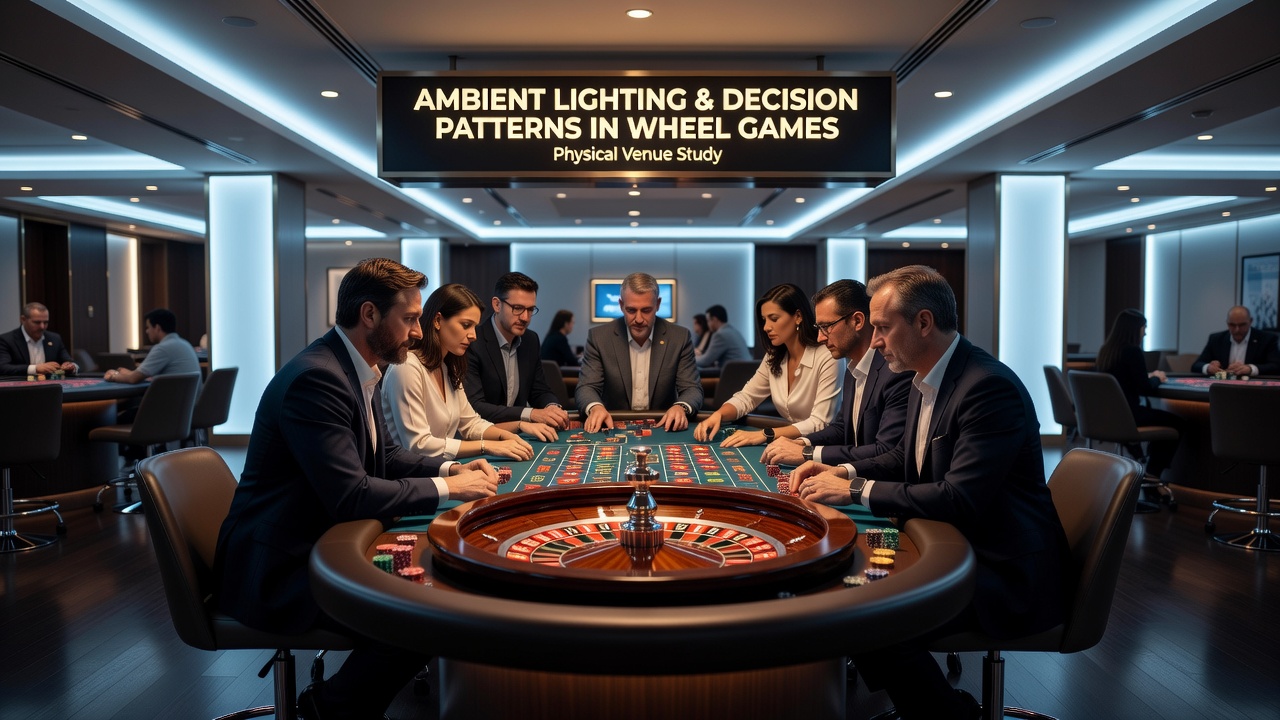
Physical casinos have long adjusted ambient lighting to create specific atmospheres around wheel-based games such as roulette and big six wheels, and recent observations indicate measurable connections between these adjustments and the betting choices players make during sessions. Researchers tracking behavior at multiple venues note that shifts in light temperature and intensity often coincide with changes in wager sizes, bet selection speed, and risk tolerance levels.
Data collected across several North American properties reveal that warmer lighting setups around 2700K tend to slow decision times while cooler tones near 5000K correlate with quicker, more frequent bets on outside positions. Studies from the University of Nevada Las Vegas gaming laboratory have documented these patterns through controlled observation periods, showing consistent differences in player action logs when lighting varies by as little as 500K during evening hours.
Environmental Factors adn Cognitive Response
Lighting influences alertness and emotional state through retinal pathways that connect directly to brain regions responsible for reward processing and impulse control. In wheel games where outcomes arrive every 30 to 90 seconds, these effects become particularly noticeable because players receive rapid feedback on each decision. Observers at large integrated resorts report that dimmer zones encourage longer contemplation before placing chips, whereas brighter sections prompt faster stacking and repeated inside-number wagers.
One analysis of session data from 12 properties found that tables equipped with programmable LED systems recorded a 14 percent increase in column bets when staff raised overall lux levels mid-shift. The same study linked lower lighting to higher rates of even-money selections, suggesting players adopt more conservative patterns under reduced illumination. These findings align with broader environmental psychology work examining how visual stimuli shape repeated choice behavior under uncertainty.
Implementation at Major Venues
Property operators began installing zoned lighting controls in roulette pits during the early 2020s, allowing managers to alter conditions without disrupting adjacent table games. In June 2026 several facilities in Nevada and New Jersey expanded these systems to include real-time sensors that track occupancy and adjust output automatically. The upgrades followed internal audits showing distinct differences in average bet duration across differently lit sections of the same floor.
Technicians typically maintain separate presets for peak and off-peak periods, with wheel games often receiving cooler, higher-contrast lighting during busy hours to maintain visibility of the spinning apparatus and betting layout. Staff training materials emphasize that these changes remain subtle enough to avoid player awareness yet produce measurable shifts in action frequency according to internal tracking software.
Research Findings Across Regions
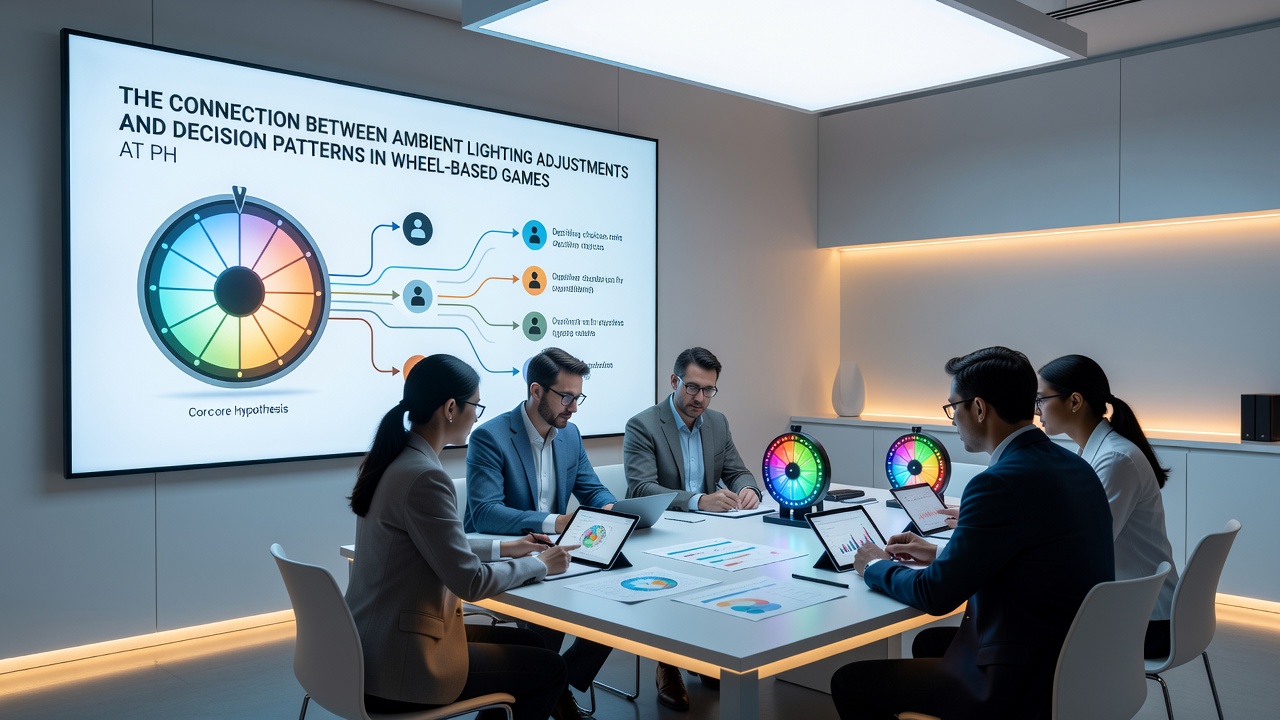
A 2025 report issued by the Australian Institute of Criminology examined lighting variations at three Sydney casinos and documented parallel trends in wheel-game behavior. Players exposed to dynamic lighting sequences placed larger average bets on single-number outcomes during periods of increasing brightness, while steady low-level illumination corresponded with more even distribution across outside bets. The report highlighted that these patterns held after controlling for time of day and table minimums.
Additional work published through PubMed Central reviewed physiological responses in simulated casino environments and found elevated heart-rate variability when participants encountered rapid lighting transitions. Although the study used laboratory settings rather than live floors, the authors noted implications for real-world decision speed in games requiring continuous visual tracking of a moving wheel.
Operational Considerations for Venues
Facilities must balance lighting objectives with energy regulations and accessibility standards, which limits how dramatically conditions can change during operating hours. Maintenance logs from multiple properties show that gradual transitions lasting 15 to 30 minutes produce fewer player complaints than abrupt switches. Gaming floor managers therefore schedule adjustments to coincide with natural lulls in table activity, such as between dealer shifts or during promotional breaks.
Wheel games present unique challenges because the physical apparatus itself reflects light differently than felt-covered card tables. Reflective surfaces on roulette wheels can create glare under certain LED configurations, prompting some operators to install diffusers or indirect fixtures that soften the effect while still altering overall ambient levels. These technical solutions allow properties to maintain compliance with visibility requirements without sacrificing the intended atmospheric impact.
Conclusion
Evidence from multiple independent studies and venue tracking systems demonstrates a clear association between ambient lighting adjustments and the timing, size, and type of decisions players make at physical wheel-based games. Operators continue refining control systems based on accumulated session data, while researchers expand investigations into how specific light parameters interact with game pace and payout structures. As programmable lighting becomes standard across larger properties, the relationship between environmental conditions and betting patterns will likely receive further systematic documentation in coming years.