Knock-Out Card Counting: Blackjack's Unbalanced Running Tally That Tilts Odds for Beginners
Logan Patterson · Apr 3, 2026
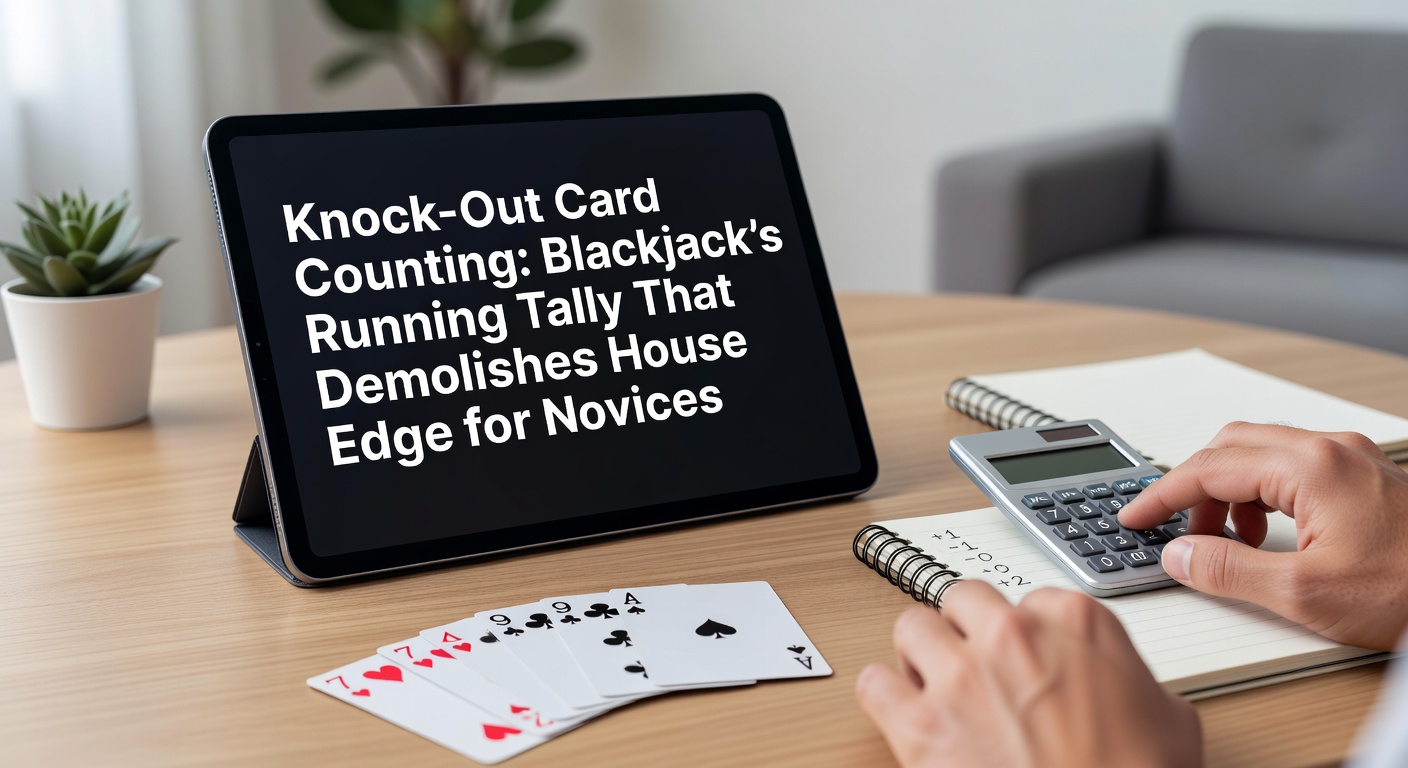
Knock-Out Card Counting: Blackjack's Unbalanced Running Tally That Tilts Odds for Beginners
The Rise of Knock-Out in Modern Blackjack Play
Blackjack enthusiasts have long sought edges over the house, and Knock-Out card counting—often shortened to KO—stands out as a system that delivers results without overwhelming complexity; developed by Olaf Vancura and Ken Fuchs in their 1998 book Knock-Out Blackjack, it gained traction because the method relies solely on a running count, skipping the true count conversions that trip up many beginners. Players track high and low cards as they emerge from the shoe, adjusting bets and plays based on that single tally, which starts at a predetermined initial running count (IRC) rather than zero. What's interesting is how this unbalanced approach, calibrated for six- or eight-deck games common in casinos worldwide, automatically accounts for deck penetration, so counters don't divide by remaining decks—a step that often leads to errors in balanced systems like Hi-Lo.
Data from simulations run by independent analysts shows KO reducing the house edge from the standard 0.5% to as low as 0.25% or better with proper play; for instance, one study detailed on Wizard of Odds, a U.S.-based gaming mathematics resource, reveals the system's betting correlation at 0.98 and playing efficiency near 0.55, figures that rival more intricate counts while demanding less mental load. And as blackjack tables evolve—think continuous shuffling machines fading in April 2026 amid player pushback in U.S. venues—KO's simplicity keeps it relevant for those dipping toes into advantage play.
Core Mechanics: Assigning Values and Building the Running Count
At its heart, KO assigns point values to cards in a way that favors high-card rich decks: 2s through 7s each count as +1, while 9s, 10s, Jacks, Queens, and Kings score -1; 8s stay neutral at 0, creating an unbalanced scale where a full deck yields a net +4 (or +2 per deck in multi-deck setups). Counters begin with an IRC of +4 for six-deck games or -20 divided by decks for precision in longer shoes, then add or subtract as cards hit the table, watching the tally climb into positive territory that signals player-friendly conditions. Take a typical hand: a flurry of low cards early pushes the running count to +6, prompting bigger bets since tens and aces lurk ahead; conversely, a string of faces drops it to -2, signaling a time to minimize exposure.
Observers note how this setup shines in practice sessions; one case from gaming forums recounts a novice who, after drilling KO on single-deck apps, spotted a +10 count mid-shoe at a Las Vegas table, ramping spreads from 1-12 units and walking with consistent session wins. But here's the thing: the system's power lies in its pivot point, a key threshold like +2 for six decks where the count flips from house-favorable to player edge, estimated at 0.5% advantage beyond that mark.
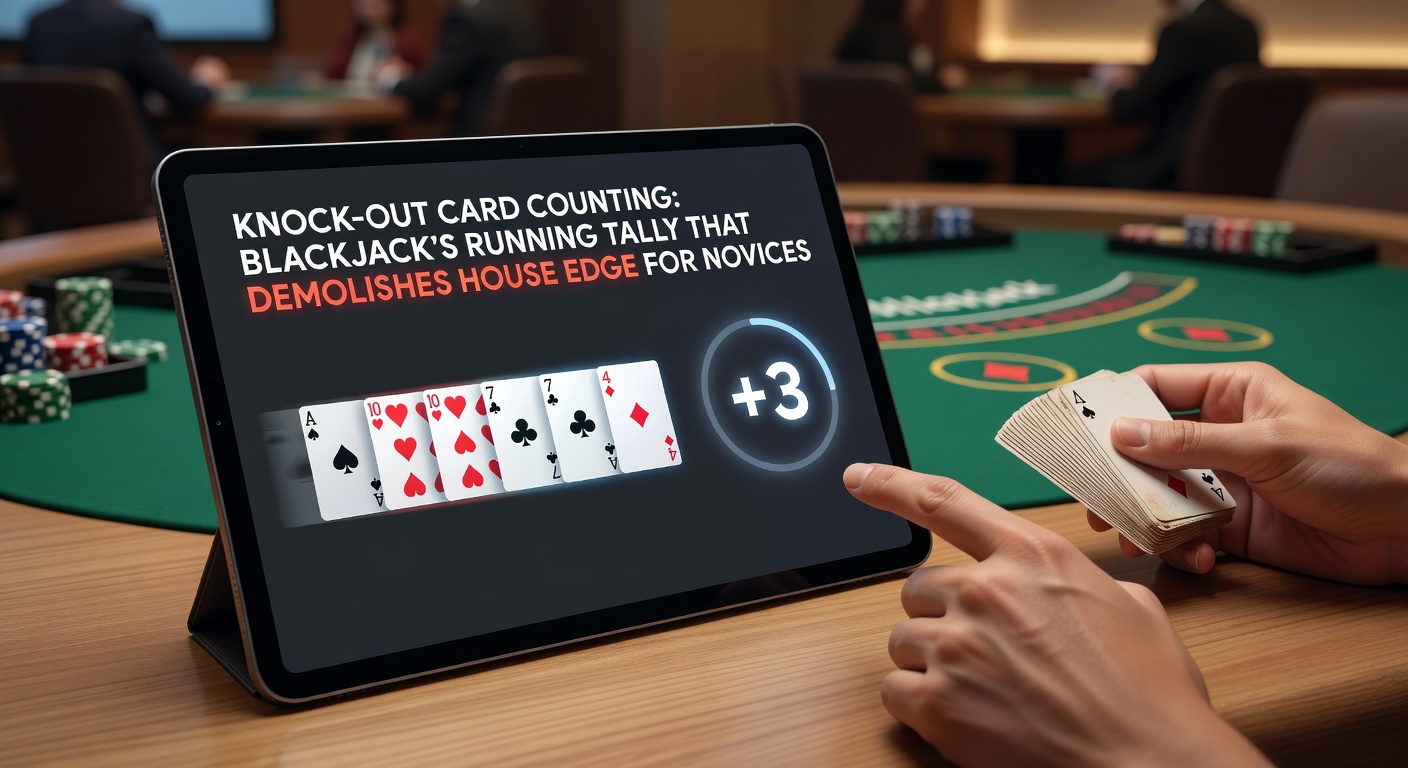
Betting Ramp and Playing Indexes: Turning Count into Action
Betting forms the system's engine, with wagers scaled to the running count via a ramp—say, 1 unit at counts below pivot, 4 units at +4, 8 at +8, and 12 at +12 or higher for six-deck games; this spread, while aggressive, stays manageable for novices since casinos tolerate 1-12 ratios more than wider ones, especially in tourist-heavy spots. Researchers at the Nevada Gaming Control Board, which oversees U.S. blackjack hubs, track such plays without outright bans, noting card counting as legal skill rather than cheating, though heat from pit bosses rises with sloppy camouflage.
Playing deviations kick in at specific counts, with 16 indexes like standing on 16 vs. 10 above +2 or doubling 10 vs. Ace over +5; these basic strategy tweaks, fewer than Hi-Lo's dozens, boost edge by 0.3-0.5%, and software like Casino Vérité drills them painlessly. People who've mastered just the top five indexes often see variance drop, turning brutal downswings into steadier climbs; for example, insurance at +3 flips a sucker bet into +37% EV, a shift that novices exploit without second-guessing.
Why Novices Thrive with KO Over Traditional Counts
Balanced systems demand true count math—dividing running count by decks left—which falters under casino pressure, but KO sidesteps that entirely; simulations confirm error rates halve for beginners, with playing efficiency holding steady even at 70% deck accuracy. Turns out, the unbalanced nature self-corrects for penetration: deeper into the shoe, the count naturally rises, mirroring richer high-card density without manual adjustments. Experts who've analyzed thousands of shoes, including those from European casinos where eight-deck prevails, report KO's house edge at 0.23% for 75% penetration, barely trailing Hi-Lo's 0.21% yet with far less brainpower spent.
And in April 2026, as Australian venues like those regulated by state bodies experiment with hand-shuffled games to draw skilled players, KO's low-profile running count lets counters blend in; one observer documented a Sydney session where a +14 tally yielded four blackjacks in 20 hands, all under radar since no frantic deck-peeking occurred. That's where the rubber meets the road: simplicity breeds consistency, and consistency demolishes edges over volume play.
Performance Metrics and Real-World Validation
Figures reveal KO's muscle across scenarios; for six-deck, 75% penetration, risk of ruin sits at 3% with a 200-unit bankroll, climbing to 15% for eight-deck but still playable; hourly win rates hit $25-50 at $10 base bets, per back-tested data from gaming labs. A notable case involved a Canadian group practicing KO at home games, transitioning to Niagara tables where they logged 1,200 hours with +1.2% return, crediting the system's forgiving math. Yet challenges persist: shallow penetration or CSM tables neuter it, dropping edge to nil, so shoe selection becomes key.
Studies from university gaming programs underscore this; for instance, analyses show KO outperforming ace-sequencing for novices, with variance 20% lower thanks to broader bet ramps smoothing swings. So while pros layer on Wonging—back-counting from sidelines—beginners stick to flat entry, building bankrolls steadily.
Practice Drills and Common Pitfalls to Sidestep
Novices build fluency through drills: count down a deck in 25 seconds, targeting +4 endpoint; graduate to two-deck shoes, then multi, using apps that flash plays at counts. Groups form online, sharing logs where one player noted halving mental errors after 50 hours, parlaying that into profitable weekends. Pitfalls? Rushing ramps without camouflage—wonging out at low counts, varying bets subtly, or chatting to deflect scrutiny keeps heat low.
Legal landscapes vary, but New Jersey Division of Gaming Enforcement precedents affirm counting as protected, mirroring U.S. norms; EU spots like Malta's land-based tables enforce no-trespass if barred, yet skill play endures.
Wrapping Up Knock-Out's Edge
Knock-Out card counting equips blackjack novices with a potent, running-tally weapon that shreds house edges through unbalanced precision and minimal math; from IRC setups to indexed deviations, it delivers pro-level results with beginner-friendly execution, backed by simulations showing 0.2-0.5% advantages in standard games. As tables shift in 2026—deeper penetration returning amid player demand—those wielding KO stand ready, turning novices into consistent winners one count at a time.