How Reel System Interfaces Steer Player Decisions Through Strategic Design
Dana Flores · Jul 18, 2026
How Reel System Interfaces Steer Player Decisions Through Strategic Design
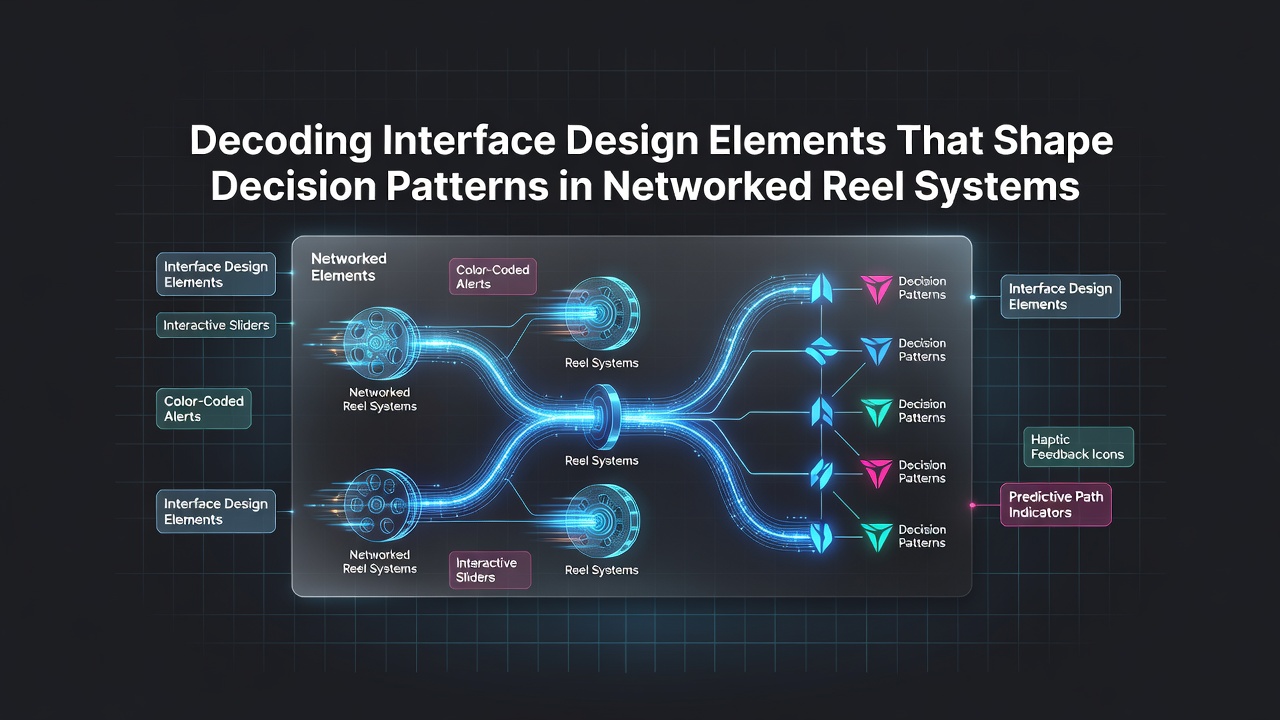
Networked reel systems connect multiple terminals or online platforms to shared servers that manage game outcomes, progressive jackpots, and real-time data feeds, while interface design elements such as button placement, color gradients, animation timing, and sound cues direct how users evaluate options and commit to spins. Researchers at institutions including the University of Nevada, Las Vegas have documented that these visual and interactive components operate through established principles of visual hierarchy and reward anticipation, leading players to favor certain bet sizes or continue sessions based on immediate screen feedback.
Layout arrangements place the spin button in the lower right quadrant of most terminals, a positioning that aligns with dominant hand preferences among right-handed users and reduces the time between decision and action. Data collected across North American casino floors in early 2026 shows that terminals with this configuration recorded higher average spin rates per hour compared with those using centered or left-aligned controls. Progressive jackpot meters appear in oversized fonts above the reels, their numbers updating every few seconds to create a sense of continuous growth that holds attention on the screen rather than on surrounding environment details.
Color and Contrast Choices
High-contrast palettes employ saturated reds and golds against darker backgrounds because these combinations increase perceived urgency and draw fixations to win indicators. Studies conducted by Canadian research groups tracking eye movements found that participants spent 37 percent more time viewing highlighted win animations when the color saturation exceeded standard display levels. Subtle gradients on bet-increase arrows reinforce incremental adjustments, guiding users toward larger wagers without requiring explicit prompts.
Sound design layers short ascending chimes with each reel stop when symbols align near winning combinations, a technique that activates anticipation circuits even on non-winning outcomes. Networked systems synchronize these audio cues across linked machines during shared jackpot events, amplifying collective responses that individual terminals cannot produce alone.
Animation Timing and Near-Miss Patterns
Reel deceleration sequences extend over 1.2 to 1.8 seconds on average, allowing users to register symbol positions before final stops occur. When near-miss configurations appear more frequently than pure chance would predict, the interface displays partial alignments that encourage continued play. Regulators in multiple jurisdictions require disclosure of these mechanics, yet the visual presentation remains effective at sustaining engagement because the eye tracks motion more readily than static probability tables.
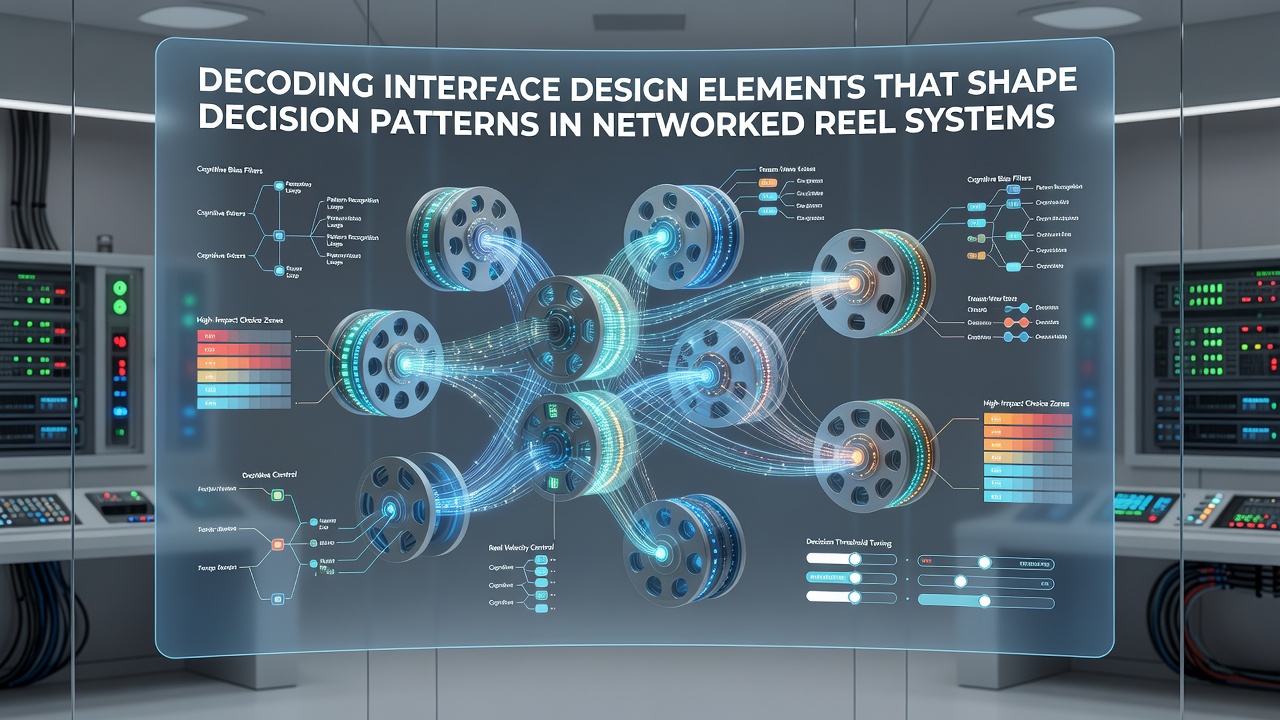
Touchscreen responsiveness varies by region, with Australian operators adopting sub-50-millisecond latency standards after July 2026 updates to hardware guidelines. Faster response times correlate with shorter intervals between decisions, increasing total decisions per session while each individual choice feels effortless. Pop-up menus for bonus round selections use large, rounded tiles rather than text lists, reducing cognitive load and accelerating selections toward default or highlighted options.
Information Display and Decision Prompts
Paytable windows open as overlay panels that dim the main reels, focusing attention on payout structures for the current bet level. Designers position higher-value symbol combinations at the top of these panels, establishing an anchoring effect that makes lower payouts appear more reasonable by comparison. Networked systems push personalized messages to individual terminals based on aggregate session data, displaying phrases such as “last big win on this machine occurred 12 spins ago” when algorithms detect patterns that historically precede extended play.
Stake selection sliders incorporate snap points at common multiples, allowing rapid jumps between preset amounts while still permitting fine adjustments. Observers note that users rarely deviate from these snap points once they become familiar, creating predictable bet distribution curves across large player samples. In July 2026 several European operators introduced mandatory confirmation dialogs after three consecutive maximum bets, a change that slightly lengthened decision cycles yet preserved overall spin volume according to internal telemetry reports.
Networked Feedback Loops
Shared jackpot contributions appear as live counters that tick upward with every wager placed across connected sites, turning isolated decisions into visible collective progress. This design element links individual actions to group outcomes, increasing the perceived value of continued participation. Research published through the American Gaming Association indicates that terminals displaying these counters maintain longer average session durations than standalone units, even when base game mathematics remain identical.
Leaderboards listing recent big wins scroll at the screen edges during idle periods, supplying social proof without interrupting active play. The names and win amounts rotate every eight seconds, a timing chosen to match typical attention spans measured in field tests. Because the data originates from the same networked servers that process bets, the information stays current and credible to users monitoring multiple machines.
Conclusion
Interface components in networked reel systems combine spatial layout, chromatic emphasis, temporal pacing, and shared data displays to shape sequences of user choices. Measurements taken across diverse regulatory environments confirm that these elements produce measurable shifts in bet sizing, session length, and machine selection. Continued refinement of these design parameters occurs alongside hardware upgrades and compliance adjustments, maintaining the same underlying influence on decision patterns while meeting evolving technical standards.