Floor Plans and Player Choices: Spatial Factors Driving Bet Selections in Modern Casinos
Logan Patterson · Jun 3, 2026
Floor Plans and Player Choices: Spatial Factors Driving Bet Selections in Modern Casinos
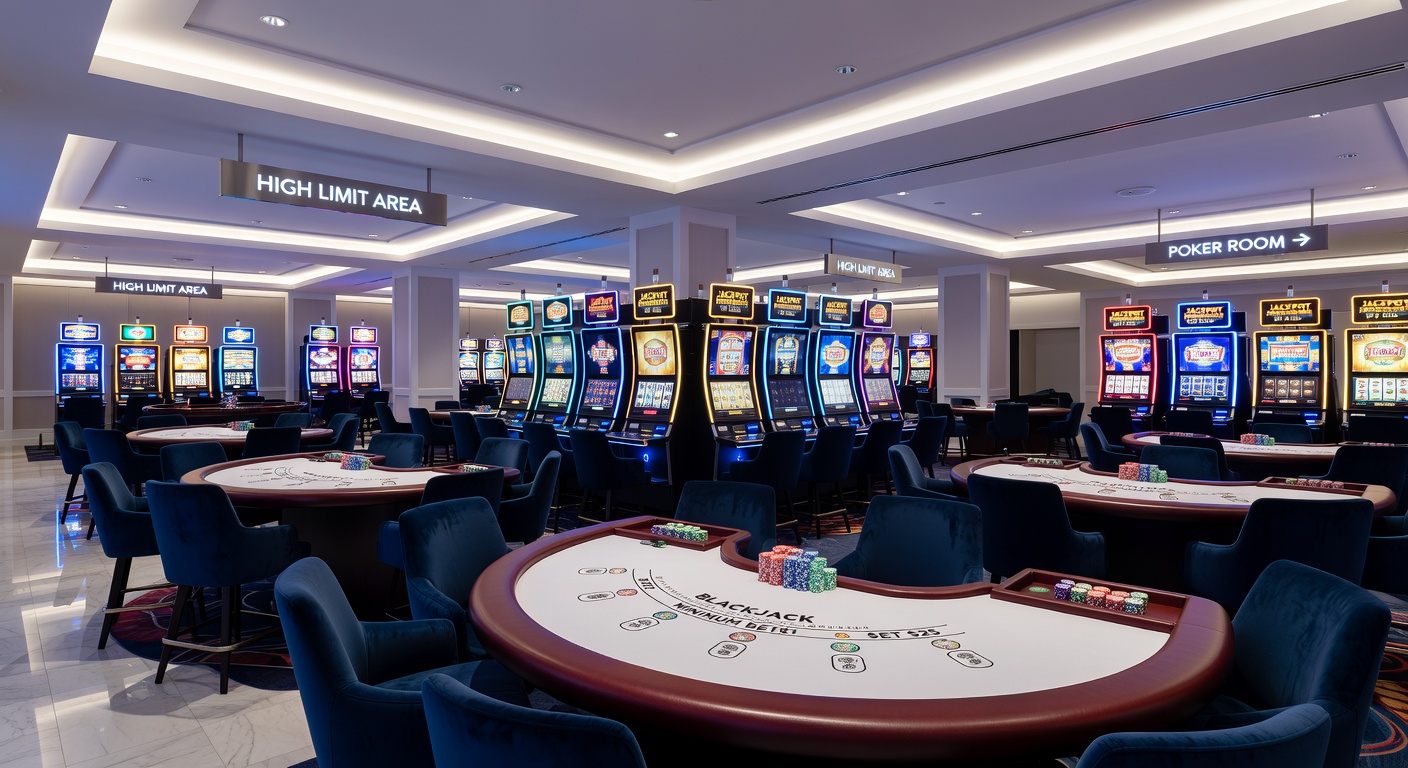
Casino operators arrange gaming floors to direct traffic patterns that shape how visitors select bets, and researchers have documented these effects through observational studies and traffic flow analyses. Layout elements such as aisle width, table clustering, and sight lines determine which games receive the most foot traffic, while central placements near entrances often correlate with higher volumes of even-money wagers on roulette and baccarat. Data from multiple venues indicate that players tend to place larger average bets when tables sit in well-lit zones with minimal obstructions, whereas peripheral areas see more conservative selections on slots and video poker terminals.
Pathway Design and Initial Bet Decisions
Wide main aisles funnel groups toward high-traffic table games first, and this configuration increases the likelihood that arriving players start with minimum bets on blackjack or craps before progressing to higher stakes. Narrower secondary paths, by contrast, lead to quieter sections where individuals often choose progressive slot machines or side bets with lower minimums. Observers note that curved walkways extending from casino entrances create natural stopping points at craps tables, boosting field bet activity during peak evening hours. In June 2026 several properties in the southwestern United States introduced redesigned entry sequences that shortened distances to roulette pits, resulting in measurable upticks in column and dozen wagers according to internal performance metrics shared with regional regulators.
Proximity Effects on Game Selection
Tables positioned within twenty feet of slot banks attract crossover play, with many visitors alternating between quick reel spins and occasional even-money table bets. Clusters of similar games encourage players to sample multiple variations of the same wager type, such as switching between single-zero and double-zero roulette wheels when both occupy adjacent positions. Studies conducted by the University of Nevada, Las Vegas Center for Gaming Research have tracked how visual access to neighboring tables influences bet sizing, showing that participants seated near high-limit action frequently raise their own stakes to match surrounding activity levels. Nevada Gaming Control Board floor plan submissions reveal that properties adjusting table spacing by even a few feet report shifts in average bet amounts across multiple game categories.
Lighting, Sight Lines, and Focus on Specific Wagers
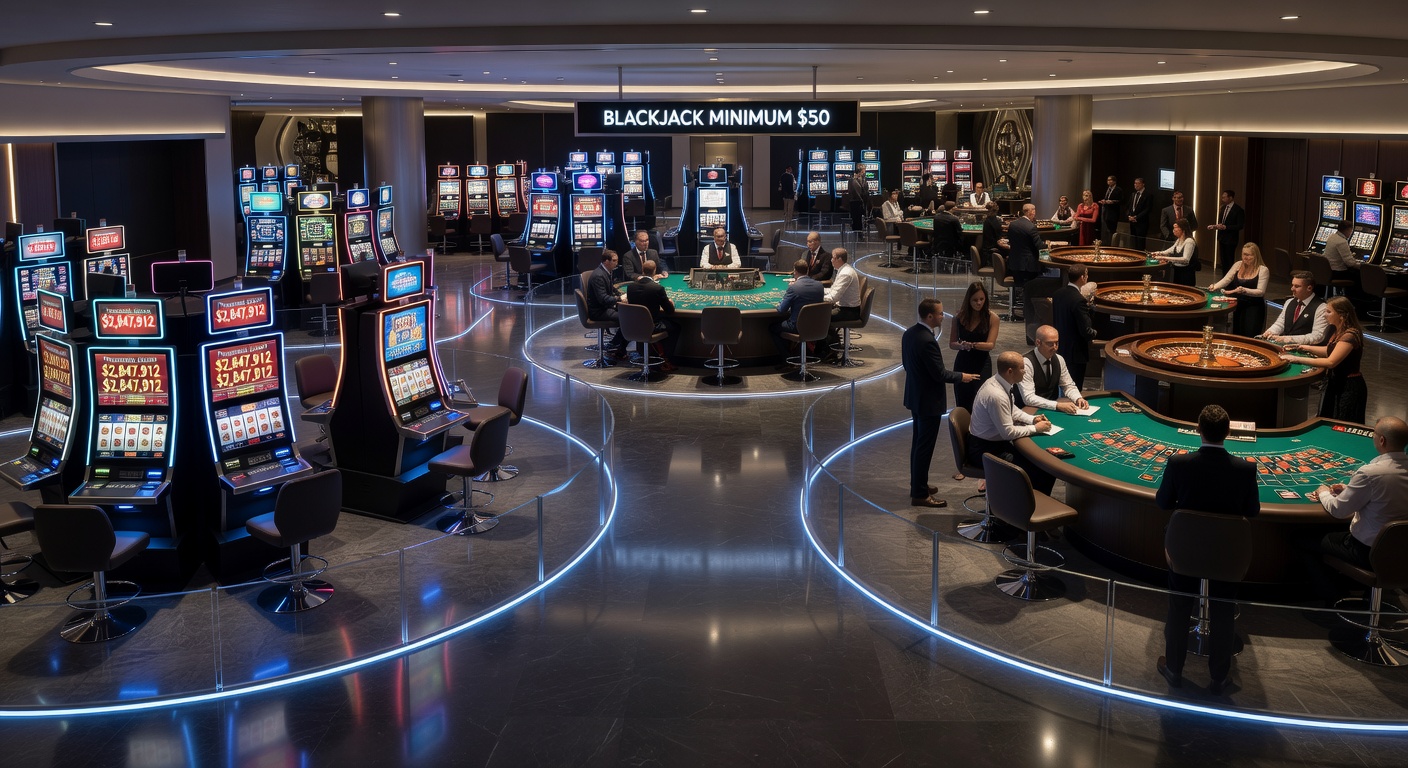
Targeted illumination over particular table sections draws attention to games that operators want to promote, and this technique reliably increases participation in side bets and proposition wagers. Dimmer zones surrounding high-denomination machines reduce distractions, allowing players to concentrate on bonus round triggers without glancing toward other attractions. Research teams have measured eye-tracking data during controlled visits, confirming that bright overhead fixtures above baccarat layouts correlate with longer dwell times and repeated banker or player bets. When sight lines open toward progressive jackpot displays, visitors show higher rates of max-credit play on linked machines, a pattern documented across properties in both North American and Australian markets.
Acoustic Zoning and Decision Speed
Sound-absorbing materials placed around high-stakes areas dampen ambient noise, which in turn supports longer deliberation periods before players commit to larger wagers. Louder zones near sportsbooks or promotional displays prompt quicker bet placements, often favoring simpler options such as pass line bets in craps. Acoustic mapping projects undertaken by industry consultants demonstrate that strategic sound barriers between game types reduce cross-contamination of decision processes, allowing each section to maintain its own tempo of play. Venues that installed new zoning features in early 2026 recorded steadier bet volumes throughout the day rather than sharp spikes followed by drop-offs.
Case Examples from Recent Redesigns
One major property in Atlantic City reconfigured its main floor in late 2025 by moving the poker room to an upper level, freeing ground space for expanded craps and roulette offerings that subsequently drew higher average field and place bet activity. Another facility in Queensland, Australia adjusted its slot carousel arrangement to create wider access corridors leading directly to table game pits, and subsequent player tracking data showed increased movement between electronic and live gaming options. These adjustments align with broader industry practices where operators consult traffic simulation software before finalizing layouts, ensuring that key revenue centers receive consistent visitor exposure without creating bottlenecks that frustrate movement.
Regulatory and Design Standards
Regional authorities require detailed floor plan submissions that specify minimum clearance widths and emergency egress routes, yet these same documents also capture how spatial choices affect game distribution. Australian gambling research reports have examined correlations between layout density and player expenditure patterns across multiple jurisdictions, providing operators with benchmarks for evaluating proposed changes. Compliance teams review these plans to confirm that spatial arrangements do not inadvertently concentrate certain bet types in ways that conflict with responsible gaming guidelines.
Conclusion
Spatial decisions within casino environments continue to shape the sequence and size of bets players place, and ongoing monitoring by operators and researchers refines these approaches as new properties open and existing venues undergo renovation. Traffic patterns, lighting choices, acoustic treatments, and table groupings each contribute measurable effects that appear consistently across different markets and regulatory frameworks. As floor plans evolve through 2026 and beyond, the relationship between physical arrangement and betting behavior remains a central consideration in casino operations worldwide.