Detecting Roulette Wheel Biases Through Advanced Pattern Recognition Methods
Logan Patterson · Jul 11, 2026
Detecting Roulette Wheel Biases Through Advanced Pattern Recognition Methods
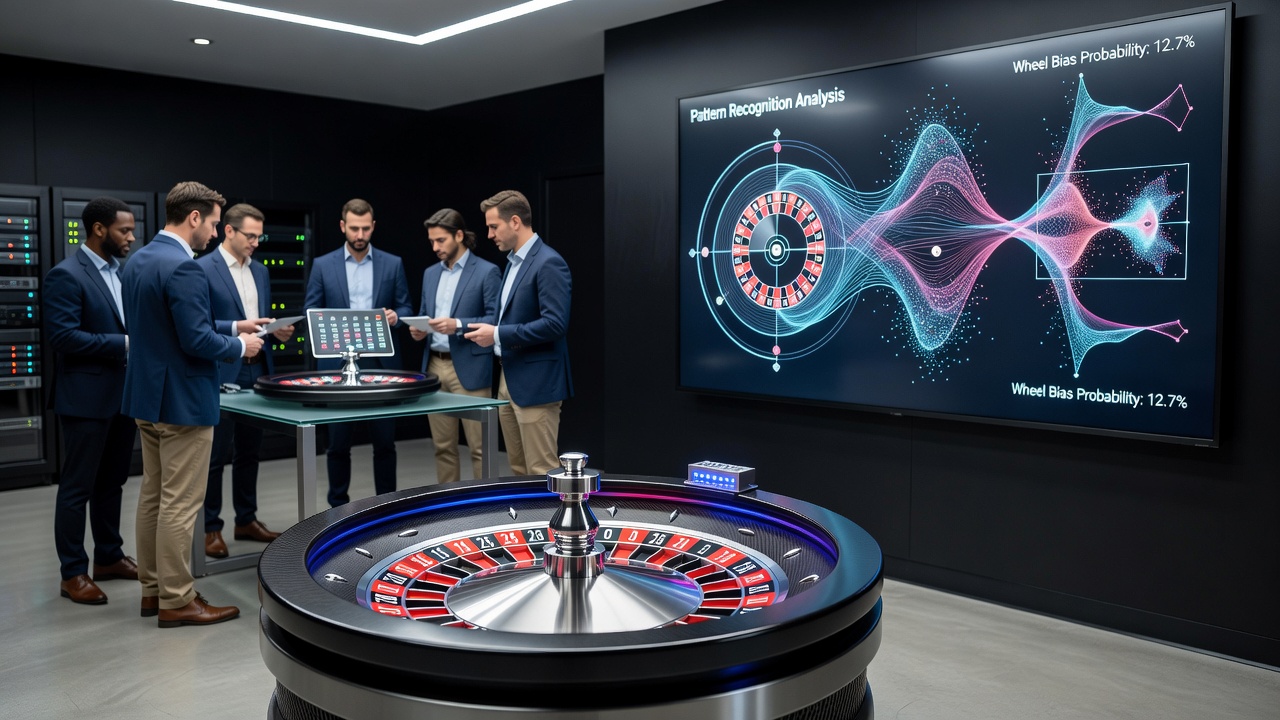
Roulette wheels in professional settings undergo rigorous manufacturing standards yet still develop subtle mechanical imperfections over time, and pattern recognition techniques now allow operators along with regulators to identify those deviations before they influence outcomes. Data collection begins with high-speed cameras positioned around the wheel assembly, where sensors capture thousands of rotations per session, and software then processes the resulting video streams to map ball drop points against expected random distributions. Researchers apply clustering algorithms such as k-means to group historical landing positions, which reveals whether certain sectors receive disproportionate hits across extended play periods. Those clusters get cross-referenced with wheel rotation speeds measured in real time, and deviations beyond statistical thresholds trigger alerts for maintenance crews. Equipment manufacturers have integrated similar monitoring systems directly into newer models released since 2024, allowing continuous logging without external attachments.Core Techniques in Pattern Analysis
Statistical process control forms the foundation, where control charts track variance in pocket frequencies while moving averages smooth out short-term fluctuations. Machine learning models trained on labeled datasets from calibrated wheels learn to distinguish normal wear patterns from those indicating misalignment or pocket deformation. Convolutional neural networks analyze visual frames to detect minute wobbles in the wheel head, whereas recurrent networks process sequential ball trajectories to forecast potential bias emergence.
One installation at a major European casino in early 2026 combined these approaches and reduced undetected bias incidents by integrating live feeds from multiple angles. Observers note that such systems also log environmental factors including temperature and humidity, because those variables can affect ball behavior independently of mechanical issues.
Equipment Evolution and Data Integration
Contemporary roulette setups incorporate RFID tags in individual pockets along with accelerometers mounted beneath the wheel, which feed raw telemetry into centralized pattern recognition platforms. These platforms run on edge computing devices that process information locally before transmitting summarized reports to central servers. Technicians review heat maps generated from accumulated data, and automated reports flag wheels requiring inspection when anomaly scores exceed preset limits.
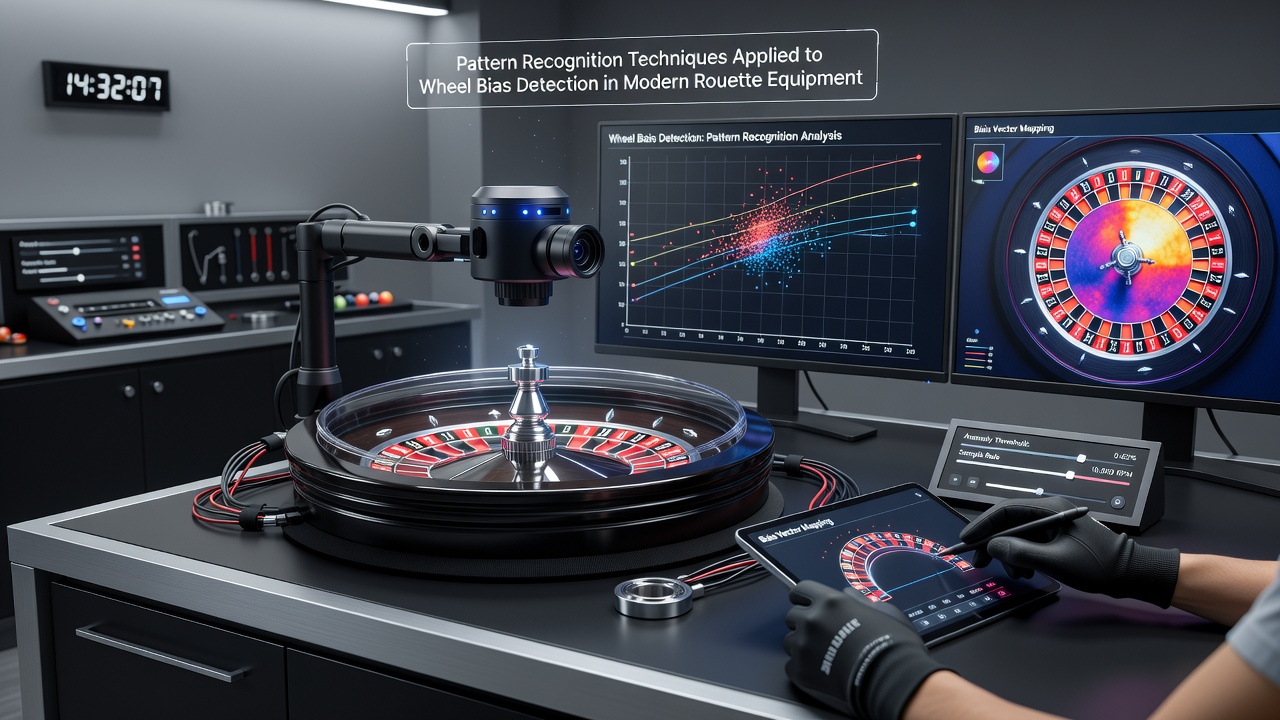
Integration with broader casino management systems allows correlation between wheel performance metrics and table revenue figures, which helps identify whether detected biases produce measurable effects during live sessions. July 2026 saw several suppliers release updated firmware that improved model accuracy on wheels with mixed material constructions, incorporating additional variables such as felt compression rates.
Regulatory and Industry Applications
Gaming laboratories in North America reference guidelines from the Nevada Gaming Control Board when validating detection software, and similar standards appear in Australian oversight documents. Pattern recognition outputs now support certification renewals by providing quantifiable evidence of wheel condition rather than relying solely on manual inspections. Trade associations including the European Gaming and Amusement Association have published technical briefs on recommended sampling intervals, encouraging operators to adopt automated monitoring as standard practice.
Academic work from institutions such as the University of Queensland has examined how these methods scale across large fleets of tables, and findings indicate that centralized dashboards reduce response times when anomalies appear. Those studies emphasize the importance of maintaining diverse training datasets to avoid overfitting models to specific wheel brands.
Implementation Challenges and Solutions
High-volume environments generate massive datasets that demand efficient storage architectures, and cloud-based solutions handle the load while preserving local processing for latency-sensitive alerts. Privacy considerations arise when video feeds capture player movements alongside equipment data, prompting facilities to implement selective masking algorithms that focus solely on wheel components. Calibration drift remains a concern, yet regular verification against known reference wheels keeps recognition accuracy within acceptable bounds according to industry reports.
Technicians often combine automated flags with hands-on checks, because pattern systems excel at highlighting candidates for review rather than replacing human judgment entirely. Training programs now include modules on interpreting model outputs, ensuring staff understand both the statistical principles and practical maintenance steps that follow detection events.
Conclusion
Pattern recognition continues to advance wheel bias detection by combining statistical rigor with real-time sensor input, and modern equipment supports these methods through built-in monitoring capabilities. Facilities adopting integrated approaches gain clearer visibility into equipment health while meeting evolving technical expectations from oversight bodies. Ongoing refinements in algorithms and hardware promise further improvements in detection speed and precision across global gaming operations.