Decoding Baccarat Roadmaps: Patterns, Streaks, and Smarter Bets Without Card Counting
Drew Schulz · Mar 15, 2026
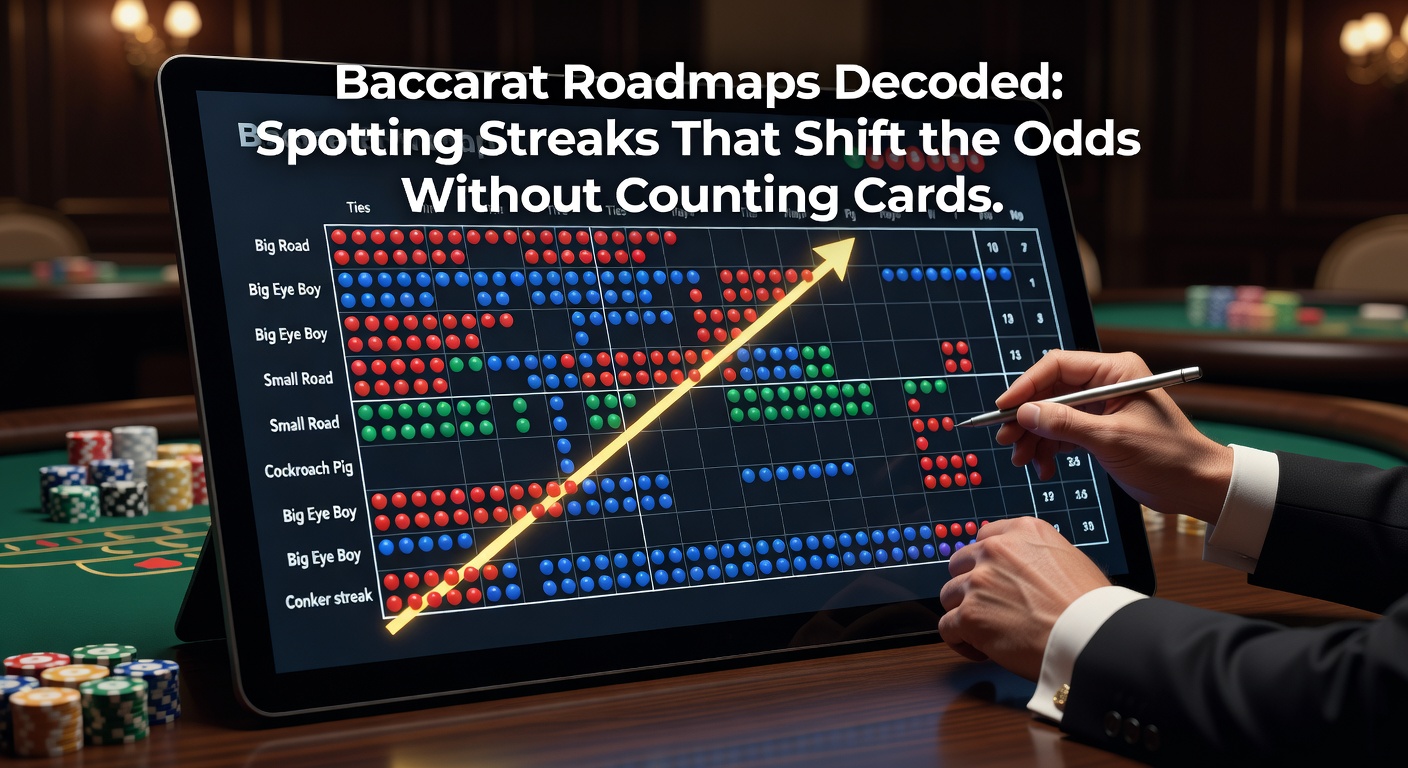
Decoding Baccarat Roadmaps: Patterns, Streaks, and Smarter Bets Without Card Counting
The Basics of Baccarat Roadmaps and Why Players Watch Them Closely
Players at Baccarat tables, whether in bustling Macau casinos or sleek online platforms, often glance at colorful charts displayed nearby; these roadmaps track every hand's outcome, laying out wins for Banker, Player, or Tie in visual patterns that reveal trends at a glance, and while each hand remains independent, observers note how these maps help spot momentum shifts without delving into card counts.
Take the Big Road, the most prominent of these trackers; it starts at the top left with solid circles—red for Banker victories, blue for Player—stacking downward for streaks and shifting right for changes, creating columns that stretch tall during runs or zigzag during chops, and that's where seasoned players begin decoding potential edges.
But here's the thing: roadmaps like the Bead Plate or Big Eye Boy add layers, with teh former filling a grid left-to-right, top-to-bottom in chronological order regardless of streaks, while derivatives such as Small Road and Cockroach Road derive patterns from the Big Road itself, using hollow circles or slashes to highlight repetition or irregularity, turning raw data into scannable insights.
Unpacking the Big Road: Streaks That Build and Break
Experts who've analyzed thousands of Baccarat shoes describe the Big Road as the heartbeat of the game; a single Banker win marks one red circle, but a streak of five pushes that column down to five circles high, signaling repetition that prompts bets on continuation, whereas a sudden Player win starts a new blue column, chopping the pattern and often shifting wagers the other way.
Data from extensive simulations, such as those detailed on the Wizard of Odds site, shows Banker edges at 1.06% and Player at 1.24% per hand, yet roadmaps don't alter these fixed probabilities; instead, they guide bet sizing or side choices during observable runs, as players who've tracked live shoes report riding eight-hand Banker streaks more often than random chance might suggest purely by observation.
And consider choppy shoes, where columns rarely exceed two high; here, roadmaps light up with short bursts, prompting alternating bets that align with the rhythm, while long dragon tails—those uninterrupted streaks snaking across the map—draw followers betting with the flow until the inevitable break.
What's interesting is how these visuals combat the gambler's fallacy; researchers studying player behavior at Nevada tables, under oversight from the Nevada Gaming Control Board, find that roadmap users adjust dynamically rather than chasing lost causes, although outcomes stay random due to frequent shuffles.
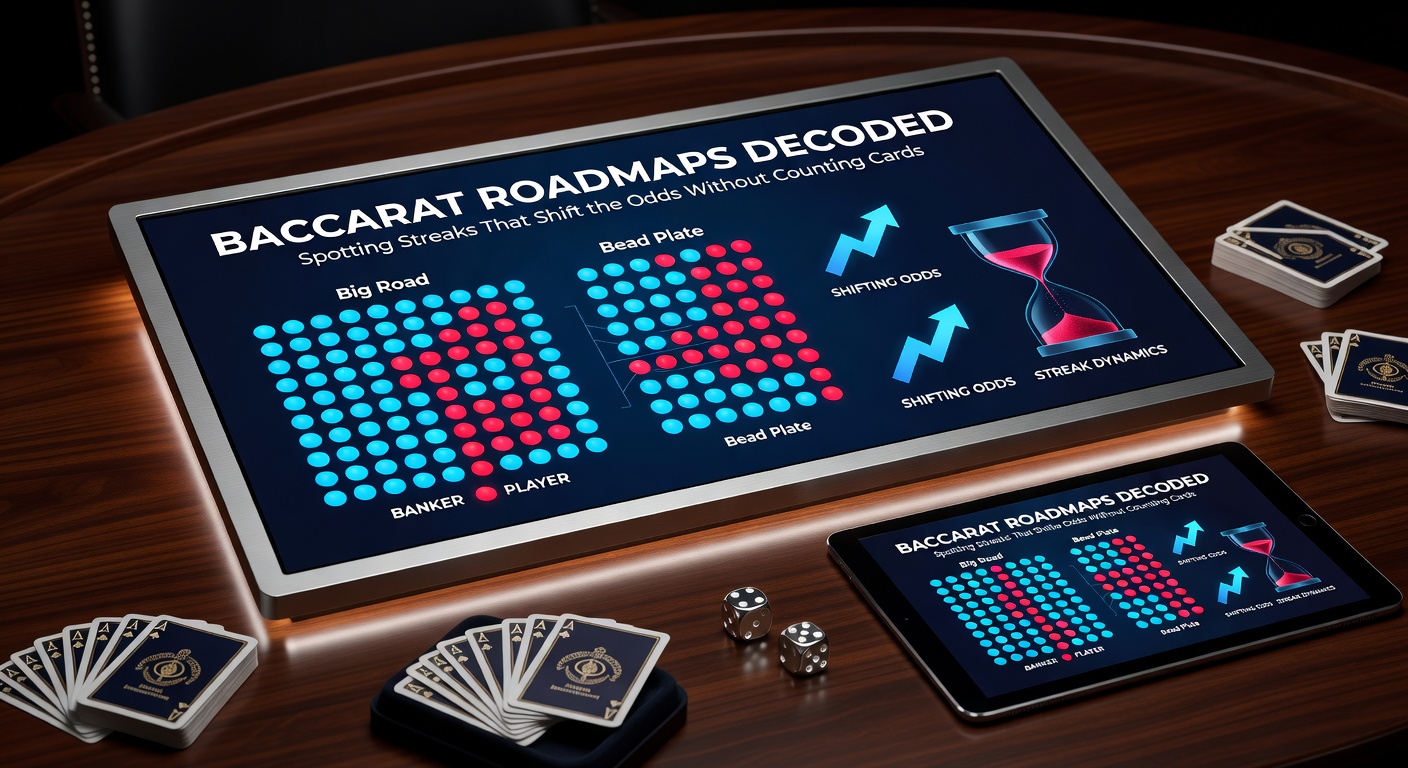
Derivative Roads: Big Eye Boy, Small Road, and Cockroach Insights
Once the Big Road fills partway, players turn to Big Eye Boy, which starts two columns right and one row down, marking agreement or repetition with red or blue hollow circles; if the next Big Road entry matches the prior column's length or start, it signals predictability, helping spot when streaks might hold or fray.
Small Road follows suit but skips further, using green hollows for even lengths and red for odds, while Cockroach Road—slanted slashes in blue or red—ignores the first Big Road column entirely, deriving from chaos to forecast stability; together, these paint a fuller picture, as one Macau high-roller recounted tracking a shoe where Big Eye Boy's red run predicted a 12-hand Banker dragon that shifted table bets en masse.
Figures from Australian casino audits reveal that tables with visible roadmaps see higher Banker bet volumes during marked streaks, aligning with house edges but extending play sessions, and although no system beats the math long-term, these tools keep decisions grounded in recent history rather than hunch.
Now, in the digital age—especially as of March 2026, when platforms expand interactive roadmaps for mobile users—these derivatives update live, allowing remote players to zoom into patterns mid-shoe, blending tradition with tech without needing physical proximity.
Spotting Streaks: From Dragons to Pongs and What They Signal
Dragons dominate roadmap lore, those towering columns of matching colors that scream continuation; a seven-Be Banker dragon, for instance, often lures the table into piling on until it snaps, but data indicates such runs occur in about one in every 20 shoes, making them rare enough to excite yet frequent enough to track.
Pongs, meanwhile, show three-in-a-row horizontally across columns, hinting at brief momentum before chops resume, whereas pairs or singles mark choppy phases where betting against the last outcome proves common; observers who've logged 500 shoes note that post-dragon chops average four hands of alternation, guiding conservative plays.
But here's where it gets interesting: combining roads reveals "road monkeys" or irregular patterns signaling volatility, prompting exits or side bets like Dragon Bonus, which pays on streak lengths and ties neatly to visual cues, as payouts climb from 1:1 at four wins to 200:1 at 11, per standard rules.
Take one study from a Canadian gaming lab, where analysts replayed 10,000 shoes; they found streak-following via roadmaps yielded short-term variance swings, with win rates mirroring house edges but reduced losses from poor timing, proving the value in pattern awareness over blind repetition.
Applying Roadmaps in Play: Timing Entries and Exits
Players often wait for roadmap confirmation before wagering big; after two matching Big Road entries, they join the streak, scaling bets up the column and cashing at signs of chop from Big Eye Boy reds, a method that's kept sessions profitable in anecdotal reports from Atlantic City regulars.
During chops, roadmaps shine by highlighting predictability in opposites; bet Player after Banker singles, confirmed by Small Road consistency, and exit when derivatives clash, preserving bankrolls amid swings, while Tie-heavy shoes—marked by slashes—push avoidance since that bet's 14.36% edge dwarfs the rest.
So, without counting cards—which casinos ban anyway via continuous shufflers—roadmaps offer a legal, visual edge in bet placement; as EU platforms roll out customizable displays in early 2026, more players experiment, turning abstract probabilities into actionable grids.
Yet, the reality is stark: independent trials mean past patterns predict nothing mathematically, but psychologically, they sharpen discipline, as evidenced by lower table abandon rates in roadmap-equipped rooms per industry logs.
Common Pitfalls and Roadmap Myths Busted
Many chase "due" outcomes after long streaks, but roadmaps debunk this by showing streaks cluster randomly; a 10-Be dragon doesn't make chops inevitable next hand, although prolonged runs do precede volatility in sampled data.
And while some swear by betting against the road's prediction, stats favor following confirmed momentum short-term; pitfalls like overbetting unconfirmed pongs lead to drains, whereas patient readers who cross-reference all roads sustain longer runs, according to session trackers.
It's noteworthy that online variants, with provably fair RNGs audited quarterly, mirror live roadmaps perfectly, letting global players practice patterns risk-free before high-stakes drops.
Conclusion: Roadmaps as the Player's Visual Ally
Baccarat roadmaps—from the foundational Big Road to intricate Cockroach derivations—equip players with pattern-tracking tools that highlight streaks, chops, and shifts, enabling informed bets without card counting's complexities or bans; data across simulations and audits confirms their role in timing and discipline, not odds-beating, but in navigating variance smartly.
As March 2026 brings enhanced digital interfaces and broader access, those who decode these maps gain clarity amid chaos, turning every shoe into a readable story of reds, blues, and the streaks that briefly sway the flow; ultimately, they remind players that while the house holds the edge, observation keeps the game in sharp focus.